To fight or to die; that is the question
Content Warning: This piece discusses themes of suicide, death, grief, emotional suffering, and existential crisis, as explored in Shakespeare's Hamlet. Please take care while reading.
“To be, or not to be, that is the question”, you have likely heard that phrase before or said it aloud. Yet rarely do we pause to consider what it truly means. It originates from the famous William Shakespeare play, The Tragedy of Hamlet, Prince of Denmark, also known as Hamlet, one of his longest and psychologically complex plays. The story follows a young Danish prince who is consumed by grief, betrayal and a desire for revenge after his uncle Claudius murders his father and swiftly marries his mother, Queen Gertrude.
Before we unpack the madness and meaning of Hamlet's world, it helps to understand where the play came from.
Editors Barbara Mowat and Paul Werstine of the Folger Shakespeare Library explain that the play was printed in three different versions in the first quarter of the 17th century. The First Quarto is known as the “bad quarto” due to errors and difficulty reading some passages. Some also believe the script is written from memory by an actor who performed a version outside London.
The Second Quarto, called the “good quarto,” is dated in some copies 1604 and 1605, shares the same title as the first one, but is longer and more coherent. The third version, originally published in 1623, titled The Tragedie of Hamlet, Prince of Denmarke appears in the first folio. This edition includes some 85 lines lacking in the second version but excludes 200 lines from the second Quarto. These two versions differ in content and hundreds of word choices.
Claudius is a cunning and manipulative man. He has one thing on his mind: the throne. His desperation to become a king leads him to murder his brother, King Hamlet, by pouring poison into his ear while asleep in the royal garden. Not long after, he marries his brother’s wife, the Queen.
"O, my offence is rank, it smells to heaven;
It hath the primal eldest curse upon't,
A brother's murder.” (Act 3, Scene 3)
Claudius admits the truth in a private soliloquy, probably feeling the weight of his sin. But despite his guilt, he is clinging to the throne. He wants forgiveness, but not at the cost of losing the crown.
“I am still possessed
Of those effects for which I did the murder:
My crown, mine own ambition, and my queen.”
(Act 3, Scene 3)
The grieving prince encounters the ghost of his late father, who informs him that Claudius is the murderer and urges Hamlet to take revenge. This leaves him torn apart by grief, betrayal and disappointment.
In Act 3, Scene 1, Hamlet delivers the famous soliloquy:
“To be, or not to be, that is the question:
Whether 'tis nobler in the mind to suffer
The slings and arrows of outrageous fortune,
Or to take arms against a sea of troubles…"
Hamlet is standing between life and death. He is wrestling with the hardest choice: Is it better to endure life and all its hardships (the slings and the arrows of outrageous fortune) or to fight back (take arms in the sea of troubles)? He is vocalising his internal battle, pondering a critical question: Is life worth living or not?
Here is the thing: if he kills Claudius, he would be executed for regicide, and if he does not, would that make him a failure in his father’s eyes?
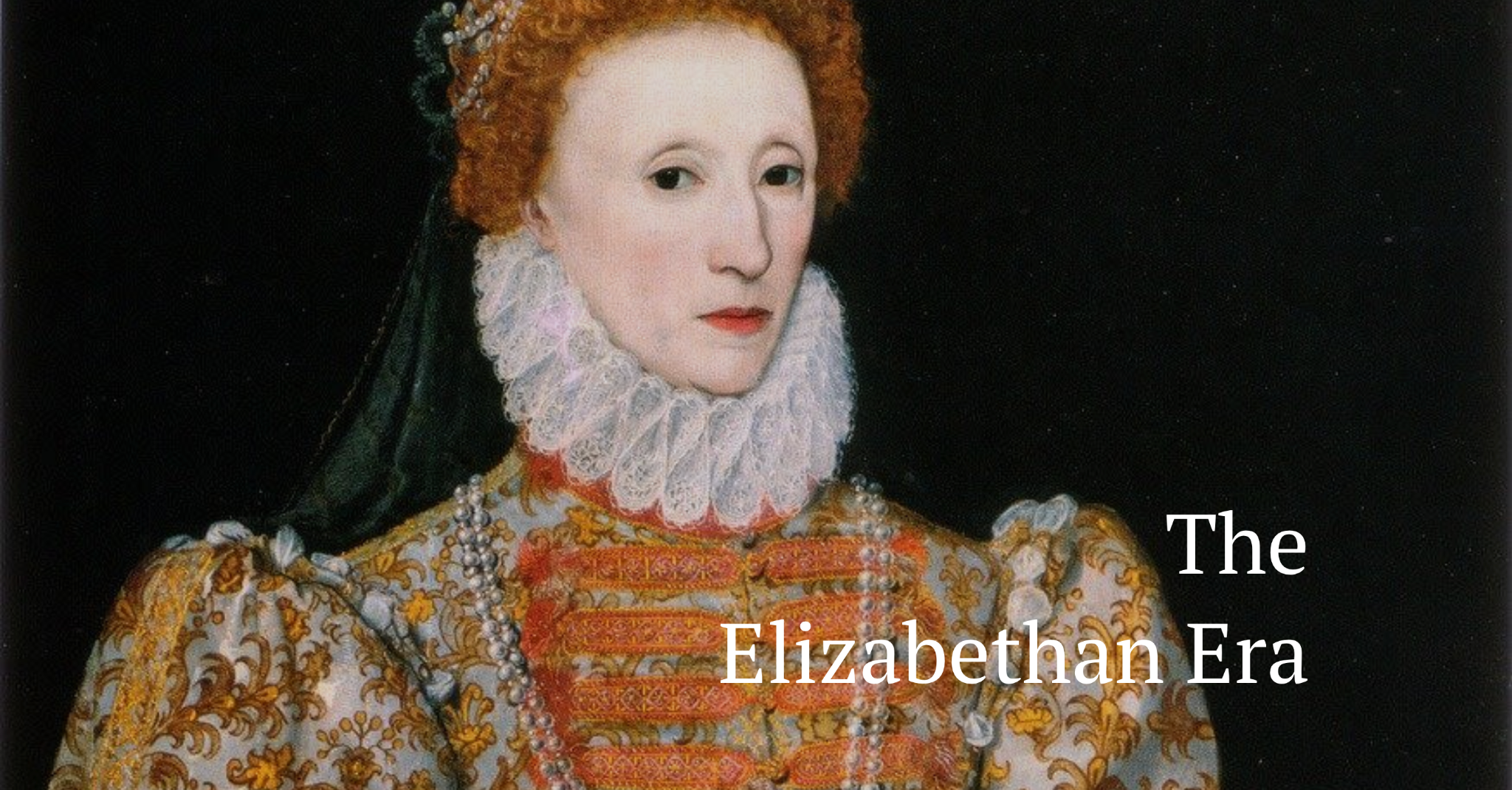
Shakespeare wrote this play during the Elizabethan period - often referred to as the Golden Age - a time of peace, stability and prosperity. This era spanned the reign of Queen Elizabeth I (1558-1603) and her successor, King James I (1603-1625), both of whom had a profound influence on Shakespeare's work and loved the theatre.
Understanding the historical context is important. During this time, both the church and society held strict views on suicide (which may be considered accurate to this day). Shakespeare sought asylum in symbolism, retreating into poetry to explore what he could not confront directly. Metaphors are like silent screams: they say what must be said, without speaking too loud.
The poet's obsession, if we may call it that, with suicide is striking. Scholars have argued that out of the 15 tragedies of Shakespeare, there are 13 confirmed and eight possible suicides in his plays.
It makes me wonder how much of the dramatist’s work is a projection of his internal conflict, dressed up as a young, grieving prince?
Hamlet is experiencing an existential crisis by contemplating whether life is worth persisting through or whether it is better to end it.
To be or not to be becomes to leave or to stay, endure or rebel, stay silent or speak up, accept things as they are or take a risk. What does courage look like? Does a silent battle count, or is it in sweat and blood that courage shines?
Here is a soft paradox: sometimes you must stop fighting so you can live. Not everything is worth the battle. Sometimes, holding on breaks you more than letting go. And sometimes, letting go feels like gasping for air, until one day, you inhale and exhale relief.
But what if the young prince chose one path and, in doing so, risked finding peace? Isn’t that what paralyses us most - the fear of choosing wrong, of missing peace entirely? Hamlet is our mirror, reflecting our deepest conflict: what if our choice doesn’t land on the side we had hoped for? Perhaps his conflict and indecision were led by fear, not weakness. He feared the possibility of stepping into the unknown, standing on the highest tower with no stairs to climb back down.
Another tragedy is when we fight hard to keep someone or something in our lives, to let it flourish and allow it to take its own pace. And when the world unravels, the same instinct that fought to keep that same thing or someone in our lives turns against itself in the face of loss and change, just so we can continue moving forward.
It makes me wonder, is it suffering that makes us brave, or the strength it takes to keep fighting?
Sometimes, certain things in us have to die so other things can survive. But that’s just life, isn’t it?
We fight for a job, a dream, a promotion, a relationship. Maybe even fight the urge to avenge or cave into our old patterns that we promised ourselves we won’t turn back to. I wonder how far is too far? How can we determine what is worth fighting for and what needs to be put to rest?
Would you consider Hamlet’s options extreme? His dilemma is not so much about being alive or dead, but rather, which path leads to peace. To fight or to fly?
Hamlet eventually dies. Stabbed with the poisoned sword prepared by Claudius through Laertes - a broken young man and desperate for revenge over the deaths of his father Polonius and sister Ophelia. But beneath it all, Claudius aimed to secure his throne at any cost - even if it meant needing Hamlet dead.
Both father and son fall into the hands of the same man. The crown is stained with their blood, symbolising the cost of corruption and selfish ambition.
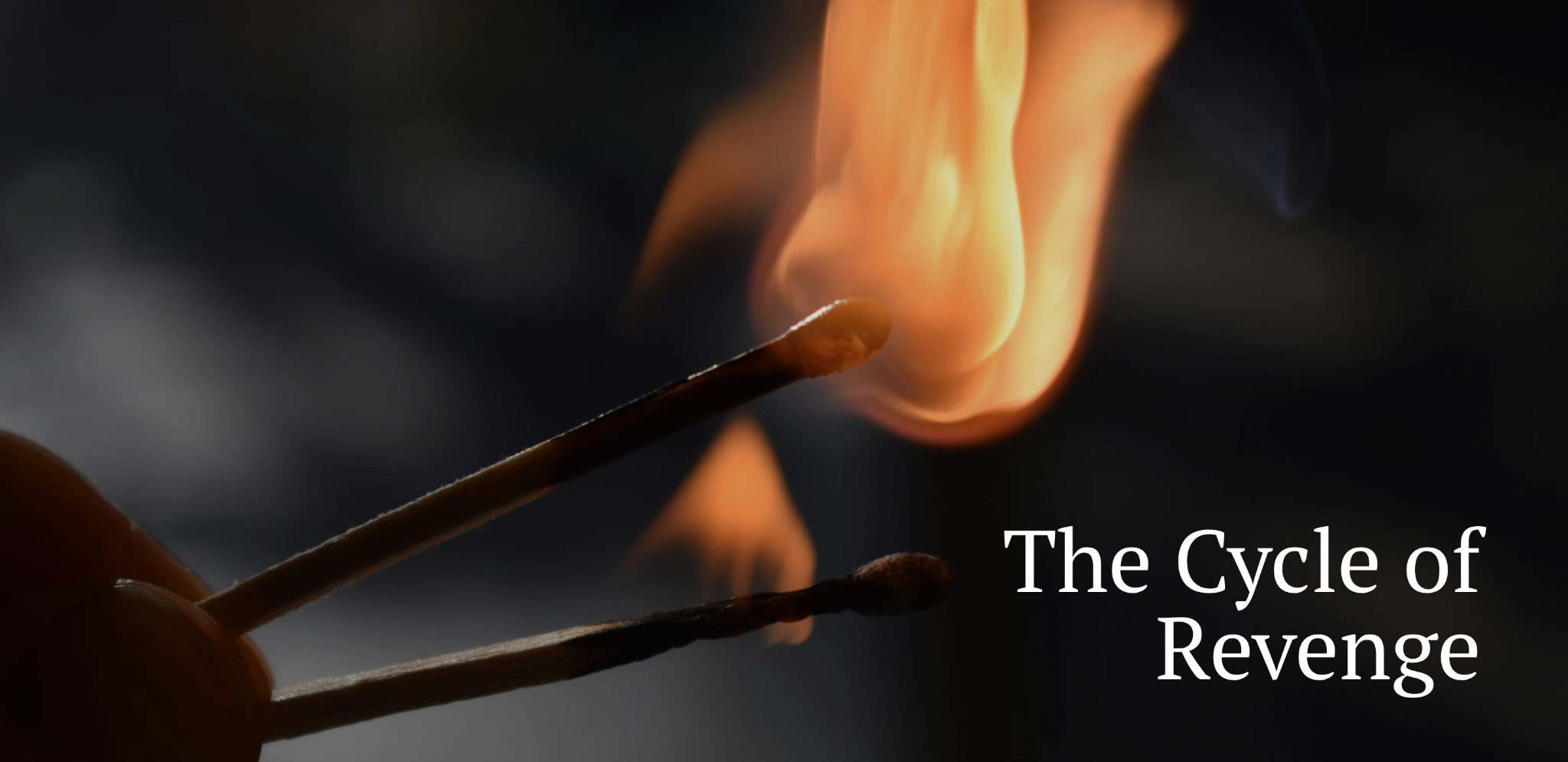
Revenge and greed flow like poison in this story. Claudius kills his brother to seize the crown, then marries his widow as a cherry on top. When Hamlet threatens his reign, Claudius stops at nothing, even orchestrating the murder of his own nephew with the help of Laertes.
Gertrude is caught in this deadly web, a casualty of the tragic chaos. The relentless cycle of vengeance left behind only ruin and regret.
Maybe Hamlet wasn’t deciding between life and death. Maybe he was just trying to figure out how to live without breaking.
All images are licensed for free use and sourced from Unsplash.com and Pixabay.com.
Post a comment