Identity Crisis: The Silent Cost of Displacement
I often heard the saying, ‘You don’t know the value of something until you lose it,’ but I never fully understood until I lost the life I loved at 15. My friends, my community, and my school turned into memories.
In June 2014, the Islamic State of Iraq and Syria (ISIS, also known as Daesh) seized control of Mosul (Nineveh), Iraq’s second-largest city, and its neighbouring towns. The militant group gave Christians an ultimatum: convert to Islam, pay jizya (tax) or face death. Many fled their homes, escaping with nothing but the clothes on their backs. At that time, the country was in chaos and safety remained a distant hope.
We lived just an hour and a half from Mosul, but soon our city was flooded with people fleeing the brutality of persecution. I still remember the haunting sight of families sitting on the pedestrian pathways because they had nowhere to go. Thousands were forced to leave the life they had always known. In just a moment, they lost everything – homes, jobs, schools, community, and hope. And they knew there was no turning back.
More than three million Iraqis have been internally displaced and an additional 260,000 have been forced to flee to neighbouring countries since 2014, according to the United Nations High Commissioner for Refugees (UNHCR). Most people took refuge in nearby camps, churches and event halls - while others stayed with relatives and friends.
As tension and fear continued dominating the region, my parents made a difficult decision: to leave home. In October 2014, our chapter in Iraq ended. With aching hearts, we said goodbye to everything and everyone. And we knew there was no turning back.
We fled to Jordan by plane and sought refuge. Not long after we arrived, we registered with the United Nations High Commissioner for Refugees (UNHCR) to ensure protection. Additionally, we applied for a Global Special Humanitarian visa to come to Australia. The future remained unknown: ‘Will the visa be granted? How long is the process going to take? What happens if our application gets rejected?’ questions left unanswered for about three years.

Staring at the ceiling
In Jordan, I spent most of my days staring at the ceiling in our hollow apartment. Though I had a beautiful view – blue skies, buildings and trees – all I saw was grey. I felt more connected to the plain white ceiling, which mirrored my emptiness inside. It was like a reflection of my feelings.
Hopelessness and sorrow turned from visitors to residents in my heart. I was a sad and angry teenager because I had no control over my circumstances or my future. I couldn’t go to school, had no friends and I wasn’t sure if it was worth dreaming big. I still remember the day I saw photos of my high school friends graduating from Year 12 – wearing uniforms and proudly holding their diplomas. I envied them. I wanted to feel like I had achieved something too – like I had a bright future ahead, too. But the only thing I had achieved was grief.
Grief is often associated with the loss of someone or something, but so rarely the loss of who you once were. Not only had I lost my home, but also myself. Accompanied by depression and anxiety, I had to confront a new version of myself that emerged as my life changed. At this stage, the sense of belonging had slowly faded. But deep down, I had hope that this feeling would be restored again.
New country, new me
When we finally arrived in Australia in 2017, my family and I had to start from scratch. I was unlearning old habits and learning to surf a new wave of depression and anxiety in a new environment. The hope of a new beginning was masked by the isolation of being away from everything I knew. It was a lonely experience.
When people flee their country of origin, a painful narrative emerges. The predominant belief is, 'You should be grateful you made it to a prosperous country. You have no reason to be unhappy.' But many do not grasp the deep impact of losing the sense of belonging and the person you once were while also adapting to a new culture.
As a newly arrived 18-year-old, I struggled with my identity in a new environment. I could not figure out who I was supposed to be. I desperately wanted to fit in, but more times than not, I did not fit in. I craved the same type of friendships I had back home. I looked for my friends in all the new faces. I shook many hands, and most left mine cold. Refugees carry a mountain of emotional and physical trauma. Some scars are visible, but others are not. I had to go through a healing journey, which continues to this day.
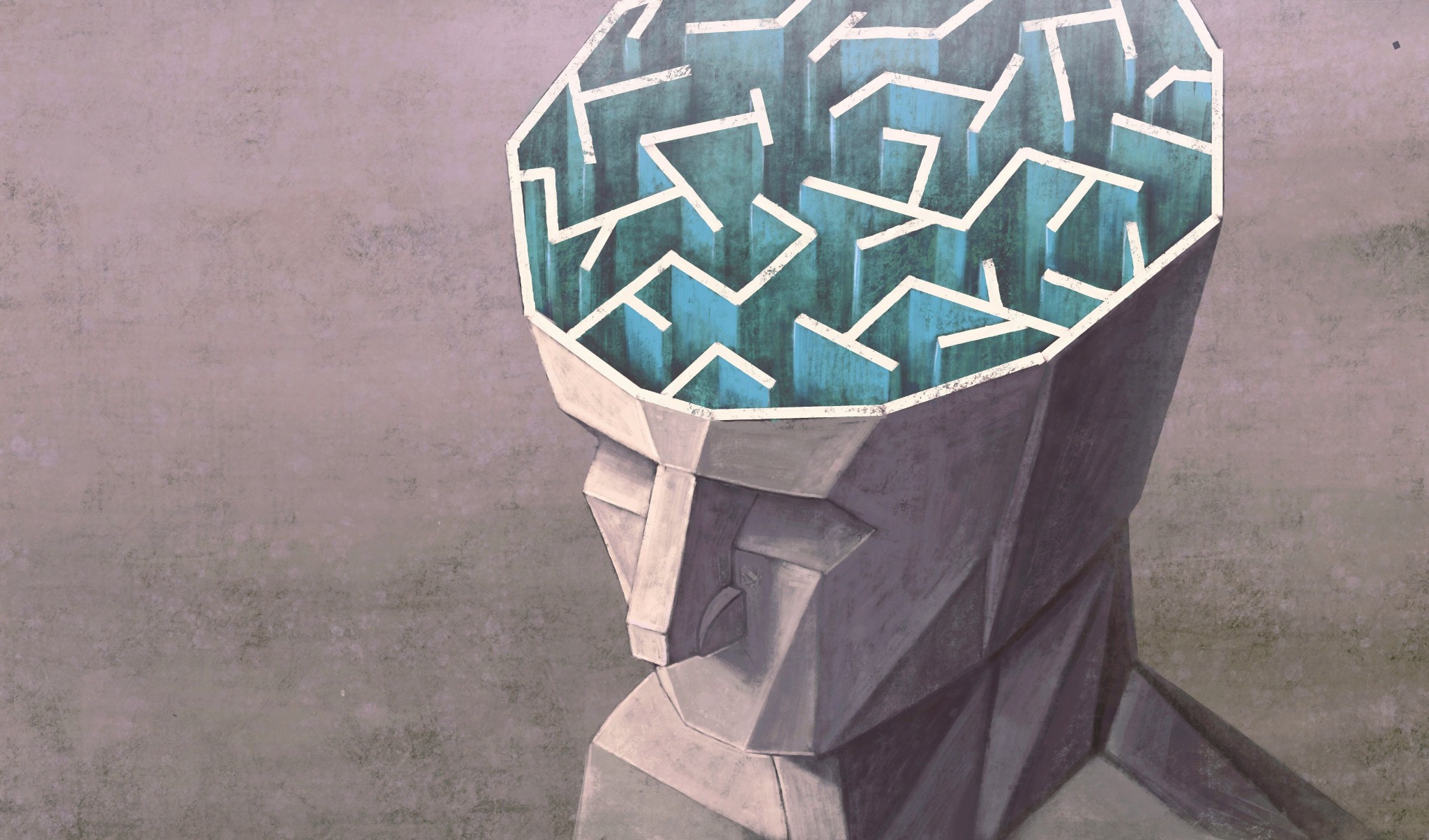
The silence around identity crisis is isolating. I had to navigate this maze alone. Here is the thing: the people you meet as a child and those you meet as an adult will encounter different versions of you.
I wrestled with this reality, especially because the “new” me in Australia felt like a stranger. I seemed to have transformed into a dull, weaker version of the vibrant person I once was back home, and the confusion was overwhelming. I felt like a fish out of the water.
Sometimes the problem with starting from scratch is not knowing where to start. I believe refugees and migrants are often caught in a war between our hopes and the stark reality. It took me years to reconcile my past and present selves. They were in constant conflict – my past self clinging to the “real me,” while my present self struggled to release what once was. I think it was because letting go felt like betraying my past, but holding on kept me from embracing my future.
When I meet people for the first time, the frequently asked question is, 'Where are you from?' It is a simple question I do not mind answering, but I find myself drained over time. I get it – people are naturally curious to learn about the different cultures and experiences that shape us. But what they don’t know is the emotional toll of repeatedly telling the same story. I understand people mean well, and they often sympathise with me, but it gets exhausting.
My internal reaction to this question intensified after I went through an identity crisis. I found myself clashing with the pieces of an older version of me, one that carries emotional scars. So when I am asked about my past, I am not just recalling a simple answer; I am navigating a landscape filled with memories and feelings that no longer fully define who I am. It is an emotional dance between the past and the present, between who I was and who I am becoming.
Other refugees and asylum seekers might be happy to answer this question, but every time I do, it feels like I am being disqualified from finding a home as I am often perceived as 'not from here.' Perhaps this is because the question, unintentionally, triggers an internal struggle – a reminder of the internal work I still carry.
I think the question of where I am from will always echo, and I have accepted that I will be answering it for the rest of my life. However, I am learning that perhaps the most important question is not where I came from, but who I am becoming and the journey that I am on.
The hardest thing has been letting go. But the best thing I have done is truly let go and look forward.
Post a comment